Green Living: Sustainable Housing Trends in Israeli Real Estate
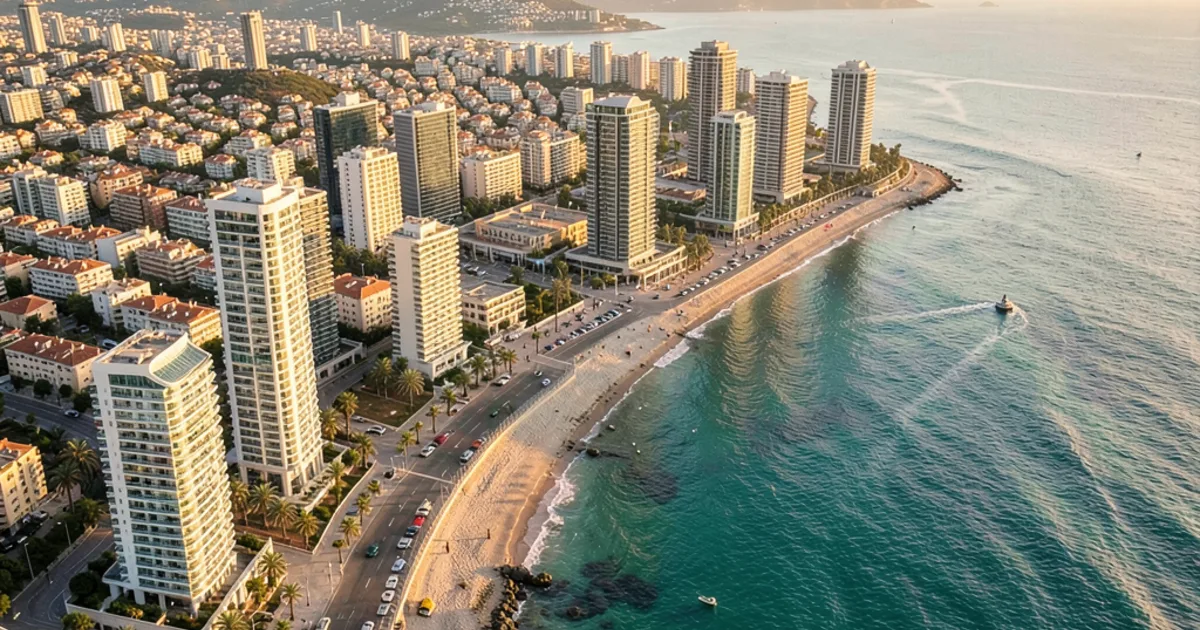
The Israeli real estate market is undergoing a profound transformation as environmental consciousness moves from the periphery to the center of property development. For buyers, whether seeking a primary residence, a holiday home, or a strategic investment, understanding green living trends is becoming essential for long-term value. This guide explores how sustainability influences everything from construction materials to mortgage options in the Holy Land.
- Why is sustainability becoming a cornerstone of the Israeli housing market?
- How can energy efficiency be maximized in a Mediterranean climate?
- What role does water conservation play in sustainable Israeli homes?
- How is urban planning evolving to promote green living?
- What green building standards should buyers look for?
- How do sustainable features impact the financial aspect of property ownership?
- Which construction materials are leading the green revolution in Israel?
- How should investors approach the green real estate sector?
- How does green living factor into the Aliyah process?
- What are the challenges and rewards of renovating for sustainability?
- How does smart home technology support eco-friendly lifestyles?
- What is the future outlook for green real estate in Israel?
Why is sustainability becoming a cornerstone of the Israeli housing market?
The unique geographical and climatic conditions of Israel necessitate a shift toward more sustainable living models. With intense summer temperatures and a landscape that faces significant water scarcity, the traditional methods of building and maintaining homes are becoming increasingly inefficient. As both the government and the private sector recognize these challenges, the focus has shifted toward creating structures that can withstand environmental pressures while minimizing resource consumption.
Furthermore, the demographic shifts within the country are driving demand for eco-conscious living. New generations of homeowners and returning residents are prioritizing environmental impact alongside traditional metrics like location and size. This change in consumer behavior is forcing developers to integrate green features into their projects from the initial design phase rather than treating them as optional add-ons.
The economic incentive is also a major driver of this trend. While the initial cost of green technology might be higher, the long-term reduction in utility expenses and the potential for increased property value make sustainability a prudent choice. As energy and water costs continue to fluctuate, a home designed for efficiency provides a level of financial predictability that is highly attractive to both residents and investors.
- Mitigation of extreme Mediterranean heat
- Response to national water scarcity concerns
- Alignment with global ESG (Environmental, Social, and Governance) standards
- Changing preferences of younger Israeli demographics
How can energy efficiency be maximized in a Mediterranean climate?
In Israel, managing thermal regulation is the most critical aspect of energy efficiency. Because of the high demand for air conditioning during the summer months, homes that utilize advanced insulation techniques can see a massive reduction in electricity consumption. High-quality window glazing and thermal breaks in building materials prevent heat from penetrating the living space, thereby reducing the workload on HVAC systems.
Solar energy integration has become a standard feature in many modern residential developments across the country. Given the abundance of sunlight, rooftop photovoltaic (PV) panels allow homeowners to generate a significant portion of their own electricity. This not only reduces reliance on the national grid but also serves as a hedge against rising energy prices, making the property more resilient and attractive to future buyers.
Smart HVAC systems also play a vital role in optimizing energy use. Instead of constant, high-power cooling, modern systems use sensors and intelligent algorithms to maintain comfortable temperatures with minimal waste. When combined with proper shading solutions, such as external louvers or specialized greenery, these technologies create a highly efficient thermal envelope for the home.
- High-performance thermal insulation in walls and roofs
- Double or triple-glazed windows with UV protection
- Rooftop solar PV installations
- Automated shading and smart climate control systems
What role does water conservation play in sustainable Israeli homes?
Water is one of Israel's most precious resources, and its management is a central theme in sustainable real estate. Modern green developments are increasingly incorporating greywater recycling systems, which allow water from sinks and showers to be treated and reused for toilet flushing or garden irrigation. This significantly reduces the demand on the municipal fresh water supply and lowers overall water consumption.
For properties with outdoor spaces, smart irrigation is becoming a non-negotiable feature for the eco-conscious homeowner. Traditional irrigation methods often lead to significant evaporation and waste, but drip irrigation systems paired with soil moisture sensors ensure that water is delivered only when and where it is needed. This is particularly important for maintaining gardens in arid regions without excessive water use.
Furthermore, the integration of water-efficient fixtures within the home, such as low-flow faucets and dual-flush toilets, contributes to a holistic approach to conservation. While these individual changes might seem small, their cumulative effect on a household's monthly water bill and the national resource pool is substantial. For those buying a holiday home or a second property, these efficiencies ensure lower maintenance costs during periods of vacancy.
- Greywater recycling and reuse systems
- Smart drip irrigation for landscaping
- Low-flow plumbing fixtures and aerators
- Rainwater harvesting for non-potable uses
How is urban planning evolving to promote green living?
The concept of the '15-minute city' is gaining traction in Israeli urban planning, where essential services are located within a short walk or bike ride from residential areas. This approach reduces the reliance on private vehicles, thereby lowering carbon emissions and improving local air quality. Cities are being redesigned to prioritize pedestrian walkways and dedicated cycling lanes, fostering a more active and sustainable lifestyle.
Mixed-use developments are also a key component of this urban evolution. By combining residential, commercial, and recreational spaces, planners can create high-density environments that are efficient and vibrant. These developments often include integrated green spaces, such as pocket parks or rooftop gardens, which help mitigate the urban heat island effect and provide much-needed communal areas for residents.
The expansion of public transportation networks is another pillar of sustainable urbanism in Israel. As municipalities invest in light rail and expanded bus networks, the pressure on road infrastructure decreases, and the ability for residents to live sustainably without a car increases. This connectivity is vital for both urban dwellers and those moving to newer, planned communities on the outskirts of major metropolitan areas.
- Increased density through mixed-use zoning
- Expansion of pedestrian and cycling infrastructure
- Integration of urban green spaces and parks
- Enhanced connectivity via public transit networks
What green building standards should buyers look for?
When evaluating a new property, it is essential to understand the certifications and standards that govern its construction. In Israel, the Green Building Institute provides widely recognized guidelines that developers follow to ensure their projects meet specific environmental benchmarks. Looking for buildings that adhere to these standards can provide peace of mind that the property was designed with long-term sustainability in mind.
These standards typically cover a wide range of criteria, including energy performance, water efficiency, material selection, and indoor environmental quality. A building that meets high-level green certifications is more likely to have superior insulation, better air filtration, and more efficient plumbing systems. For a buyer, this translates to a more comfortable living environment and lower operational costs.
It is also wise to consult with local experts or the municipality to verify the environmental credentials of a development. While many developers use 'green' as a marketing term, true sustainability is backed by measurable data and compliance with official building codes. Verifying these details during the due diligence process is a critical step for any serious property purchaser.
- Compliance with Green Building Institute guidelines
- Energy performance ratings
- Indoor air quality and ventilation standards
- Material sustainability and lifecycle assessments
How do sustainable features impact the financial aspect of property ownership?
The financial implications of green living extend far beyond the initial purchase price. While the Mas Rekhisha (purchase tax) is calculated based on the transaction value, the long-term cost of ownership is heavily influenced by the property's efficiency. A home with high energy and water efficiency will result in significantly lower monthly utility bills, providing a continuous financial benefit to the resident.
Interestingly, the banking sector is also responding to this trend. Some financial institutions are beginning to offer specialized 'green mortgages' or Mashkanta options that may provide more favorable terms for properties that meet certain sustainability criteria. These products are designed to encourage eco-friendly construction and reward buyers who make environmentally responsible choices.
From an investment perspective, sustainable properties are increasingly seen as 'future-proof' assets. As environmental regulations tighten and consumer preferences continue to shift, green-certified homes are likely to maintain their value better than traditional buildings. When it comes time to sell, the potential for a higher resale price and a faster transaction can help offset the initial investment in green technologies.
- Reduction in long-term utility and Arnona-related costs
- Potential access to green Mashkanta (mortgage) incentives
- Higher resale value due to future-proofing
- Protection against rising energy and water tariffs
Which construction materials are leading the green revolution in Israel?
Materiality is a cornerstone of sustainable construction, and the Israeli market is seeing a resurgence in the use of local, low-impact materials. For instance, the use of traditional Jerusalem stone is not only an aesthetic choice but also a sustainable one, as it is locally sourced and has high thermal mass, which helps regulate indoor temperatures. Reducing the 'embodied carbon' of a building, the energy used to produce and transport materials, is a primary goal for modern developers.
Recycled and reclaimed materials are also finding their way into new and renovated projects. From recycled concrete to reclaimed timber, using secondary materials reduces the demand for virgin resources and minimizes construction waste. This approach aligns with circular economy principles and is becoming increasingly common in both large-scale developments and smaller, bespoke residential projects.
Furthermore, the use of low-VOC (Volatile Organic Compound) paints, adhesives, and finishes is becoming standard in high-end green developments. These materials improve indoor air quality by reducing the emission of harmful chemicals, which is essential for the health and well-being of the occupants. As buyers become more aware of the connection between building materials and health, demand for these 'clean' construction methods is expected to rise.
- Locally sourced stone and masonry
- Recycled aggregates and reclaimed timber
- Low-embodied-energy building components
- Low-VOC and non-toxic interior finishes
How should investors approach the green real estate sector?
For real estate investors, the shift toward sustainability represents both a significant opportunity and a strategic necessity. The growing demand for eco-friendly rental properties means that buildings with green certifications can often command higher rents and attract higher-quality tenants. Investors who focus on ESG-compliant assets are positioning themselves to meet the requirements of both institutional investors and environmentally conscious residents.
However, a successful green investment strategy requires careful due diligence. It is not enough to simply look for 'green' labels; investors must analyze the actual performance metrics of a building, such as its energy consumption and water usage. Understanding the local regulatory landscape and how it might impact future renovations or upgrades is also crucial for maximizing the long-term yield of the asset.
When considering the exit strategy, investors should keep in mind the implications of Mas Shevah (capital gains tax). As the market evolves, properties that are built to modern, sustainable standards are likely to see more robust capital appreciation. By investing in green assets now, investors can mitigate the risk of holding 'stranded assets', older, inefficient buildings that may become harder to sell or more expensive to maintain as environmental standards become more stringent.
- Targeting high-demand eco-friendly rental markets
- Analyzing actual energy and water performance data
- Mitigating the risk of obsolete, inefficient assets
- Aligning portfolios with global ESG trends
How does green living factor into the Aliyah process?
For many individuals making Aliyah, the move to Israel is accompanied by a desire to build a life that aligns with their personal values, which often include environmental stewardship. Finding a home that supports a sustainable lifestyle can be a key part of the integration process. Whether it is a modern apartment in a smart city or a house in a community designed around nature, the environment plays a significant role in how new residents settle in.
The process of finding such a home can be navigated more effectively by understanding the local terminology and the different types of housing available. While many new immigrants spend their initial months in Ulpan focusing on language, it is also a good time to research the various municipalities and their specific urban planning trends. Some areas in Israel are much more advanced in their 'green' infrastructure than others, and knowing this can help in making an informed decision.
Moreover, the convenience of sustainable living can ease the transition for families. Homes that feature efficient climate control, smart technology, and proximity to green spaces offer a higher quality of life from the outset. For those looking to purchase a primary home during the Aliyah process, prioritizing sustainability can ensure that the property serves as a stable, efficient, and comfortable base for their new life in Israel.
- Aligning new residency with personal environmental values
- Researching municipalities with advanced green infrastructure
- Prioritizing comfort and efficiency during the settling-in period
- Using the Aliyah period to research long-term property goals
What are the challenges and rewards of renovating for sustainability?
Renovating an existing property to meet modern green standards is a popular way to enter the Israeli market, particularly in established urban centers. The reward is a home that combines character with modern efficiency, often resulting in a significant increase in market value. Upgrading insulation, installing solar panels, or replacing old windows can transform an aging building into a highly efficient and desirable residence.
However, this path comes with its own set of challenges. Navigating the legalities of renovation requires careful coordination with the local municipality to obtain the necessary permits. Furthermore, any significant structural or systemic changes must be accurately reflected in the Tabu land registry to ensure the property's legal standing and value are protected. It is essential to work with experienced professionals who understand both the technical and legal aspects of Israeli property law.
Budgeting is another critical factor. While the long-term savings on utilities are a major benefit, the upfront cost of high-quality, sustainable materials and specialized labor can be higher than traditional renovations. Prospective owners must balance these initial outlays against the projected increase in property value and the reduction in monthly operating costs to ensure the project is financially sound.
- Transforming older assets into high-value green homes
- Navigating municipality permits and building codes
- Ensuring legal compliance with the Tabu registry
- Balancing upfront renovation costs against long-term savings
How does smart home technology support eco-friendly lifestyles?
Smart home technology acts as the 'brain' of a sustainable house, allowing for the precise management of resources that would otherwise be wasted. Through the use of IoT-enabled devices, residents can monitor their energy and water consumption in real-time via smartphone applications. This visibility encourages more mindful usage patterns and allows for the immediate identification of leaks or inefficiencies.
Automated systems can also optimize the home's environment without human intervention. For example, smart thermostats can adjust the temperature based on whether someone is in the room, and automated lighting systems can dim or turn off lights in unoccupied spaces. These small, automated actions collectively lead to a significant reduction in the home's overall carbon footprint and energy bills.
In addition to energy and water, smart technology enhances security and maintenance. Sensors can detect water leaks before they cause major damage, or alert the homeowner to a malfunctioning HVAC unit. By integrating these technologies, a home becomes more than just a shelter; it becomes an intelligent, responsive ecosystem that actively works to preserve both the resident's comfort and the planet's resources.
- Real-time monitoring of resource consumption
- Automated climate and lighting management
- Early detection of leaks and system failures
- Integration of multiple eco-friendly technologies
What is the future outlook for green real estate in Israel?
The future of Israeli real estate is undeniably green. As the country continues to face the challenges of climate change and resource scarcity, the demand for sustainable housing will only intensify. We can expect to see even more stringent building regulations, a wider variety of green financing options, and a more profound integration of nature into urban design. The 'green' label will likely move from being a premium feature to a baseline requirement for new constructions.
Technological advancements will also play a major role in this evolution. We may see the rise of decentralized energy grids where entire neighborhoods share solar power, or the widespread use of modular, low-impact construction methods that reduce waste. The intersection of PropTech (Property Technology) and GreenTech will create even more opportunities for innovation in how homes are built, managed, and lived in.
Ultimately, the shift toward sustainability represents a maturation of the Israeli real estate market. It is a move toward a more resilient, efficient, and conscious way of living that respects the unique environment of the land. For buyers, investors, and developers, staying ahead of these trends is not just a matter of following a trend, but of preparing for the inevitable direction of the entire housing sector.
- Stricter environmental building regulations
- Expansion of decentralized energy and water systems
- Increased adoption of PropTech and GreenTech
- Sustainability moving from a premium to a standard requirement
FAQ
Does a green home increase the resale value in Israel?
Yes, sustainable features like solar energy and high-efficiency insulation are increasingly valued by buyers. These features provide long-term savings on utility bills, making the property more attractive and potentially commanding a higher market price during resale.
What is a 'green mortgage' in the Israeli context?
A green mortgage, or Mashkanta, is a specialized loan product offered by some financial institutions that may feature more favorable terms for properties meeting specific environmental standards. These are designed to incentivize the purchase and development of energy-efficient homes.
Can I add solar panels to an existing apartment?
Adding solar panels to an existing building usually requires approval from the building's management and the local municipality. It is important to check the building's regulations and ensure that any installation is legally documented in the Tabu land registry.
How can I verify if a building is truly sustainable?
You should look for certifications from recognized bodies like the Green Building Institute. Additionally, asking for specific data on energy performance, water efficiency, and the types of materials used can help you distinguish between genuine sustainability and mere marketing.
Get your personalised shortlist
Listings and up-to-date info, straight to your inbox, free, no obligation.
Start my search →